


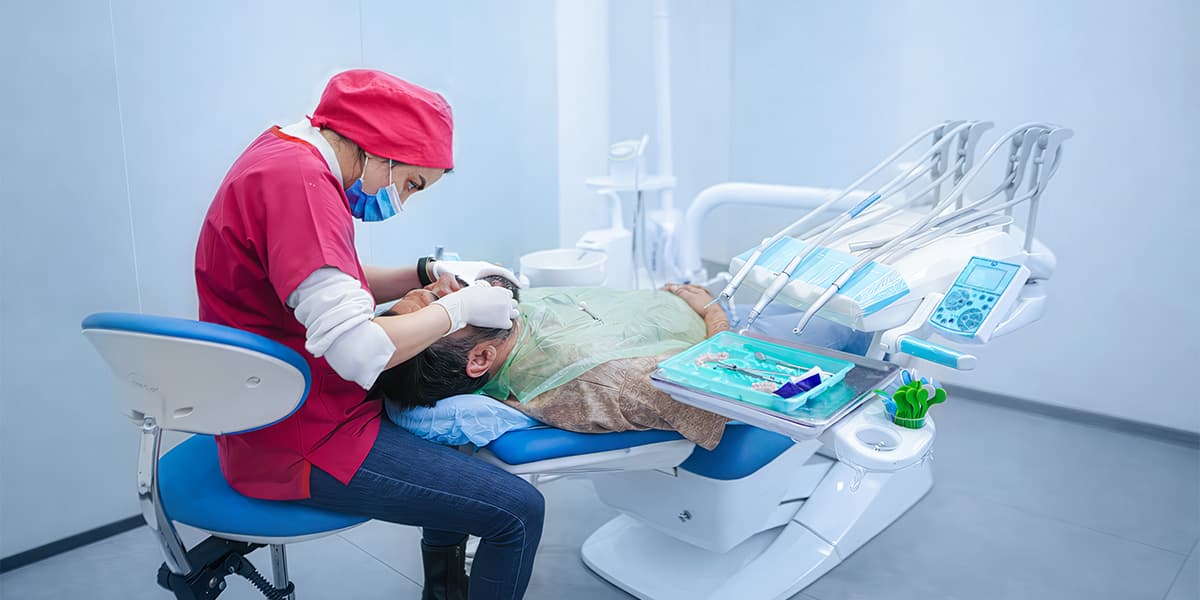
The Periodontics Department is a specialized unit for diagnosing, preventing, and treating gum diseases and the supporting tissues of teeth. The health of these tissues plays a decisive role in the success of dental treatments, especially implants. In this department, the condition of the gums, bone surrounding the teeth, and the extent of inflammation or infection are precisely evaluated to establish a healthy foundation for continued treatment.
Many patients visit the clinic unaware of existing gum disease, while bleeding gums, bad breath, gum recession, or loose teeth can be early signs of periodontal problems. Timely treatment of these issues prevents disease progression, tooth loss, and implant treatment failure.
Which Patients Need This Department?
- Individuals with bleeding, inflammation, or swelling of the gums
- Patients with gum recession or loose teeth
- Those who need gum preparation before implant placement
- Patients with a history of chronic oral infections or persistent bad breath
Specialized Services of the Periodontics Department
- Deep scaling and root planing
- Treatment of advanced gum infections and inflammation
- Gum reshaping surgeries and soft tissue grafting
- Crown lengthening for restorative treatments
- Gum tissue preparation before implant placement
Treatment Process in This Department
- Specialized gum examination and periodontal pocket depth assessment
- Radiographic evaluation for analysis of bone around the teeth
- Non-surgical treatments such as deep scaling
- Corrective gum surgeries if needed
- Regular follow-up to maintain long-term health of supporting tissues
The ultimate goal of this department is to create a healthy and stable environment in the tissues surrounding teeth and implants. Without gum health, even the most advanced dental treatments will not have long-term durability.
Summary
The Periodontics Department is the foundation of oral health and a prerequisite for many successful dental treatments. Early diagnosis of gum diseases, precise treatment, and regular follow-up can prevent tooth loss and create ideal conditions for treatments such as implants.
Frequently Asked Questions
If active gum disease is present, periodontal treatment must be performed first, as inflammation and infection can cause implant failure.
Bleeding is usually a sign of gum inflammation or infection and requires a specialized examination.
