


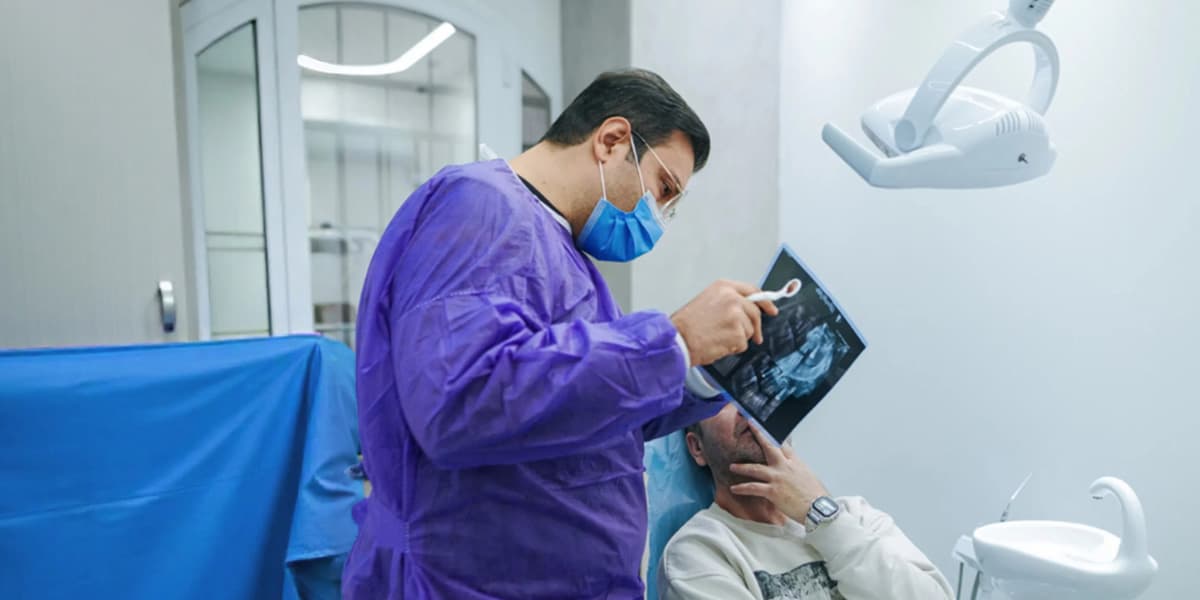
The Radiology and Imaging Department plays a fundamental role in accurate diagnosis, scientific treatment planning, and enhancing the safety of dental treatments — especially implants. Using dental imaging technologies, jaw bone structures, nerve positions, sinuses, and tooth conditions are precisely examined to ensure treatment decisions are based on reliable information.
The primary goal of this department is to provide precise diagnostic data for the treatment team to prevent potential errors during surgical or prosthetic stages and to ensure treatment is performed with maximum predictability.
Which patients are referred to the Radiology Department?
- Patients about to undergo implant treatment
- Individuals who need jaw bone or tooth root assessment
- Patients with unexplained dental or jaw pain
- Individuals requiring pre-surgical evaluation for oral, gum, or sinus procedures
Services Available in the Radiology Department
- Panoramic radiography for general jaw and teeth evaluation
- 3D CBCT imaging for precise implant planning
- Periapical radiographs for specific tooth or area assessment
- Anatomical structure analysis before specialized surgeries
Importance of Imaging in Implant Treatment
In implant treatment, precision in determining bone height and thickness, distance from nerves, and upper jaw sinus condition is critically important. 3D imaging enables precise planning of implant placement location and minimizes the risk of surgical complications.
Safety in Dental Imaging
All imaging is performed in compliance with radiation safety standards, and the radiation level is within the safe diagnostic range. The use of up-to-date equipment and control protocols prioritizes patient safety.
Summary
The Radiology and Imaging Department is the foundation of accurate diagnosis and scientific planning for dental treatments. The quality of information obtained in this department directly impacts the success of subsequent treatments — especially implants.
Frequently Asked Questions
The need for CBCT is determined by the physician's assessment, but it is recommended for precise planning in many implant treatments.
The radiation level in dental imaging is within the safe diagnostic range and is performed in compliance with protective protocols.
