Abutment for Dental Implant

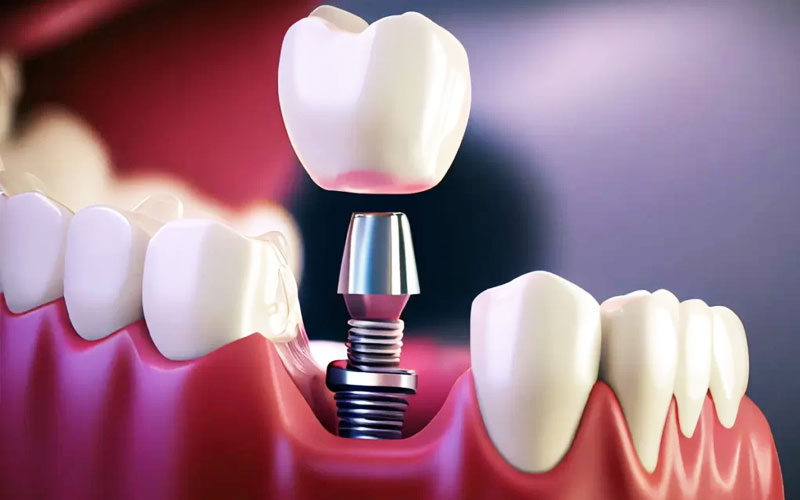
Dental Implant Abutment Types
There are different types of abutments available for temporary and permanent purposes.
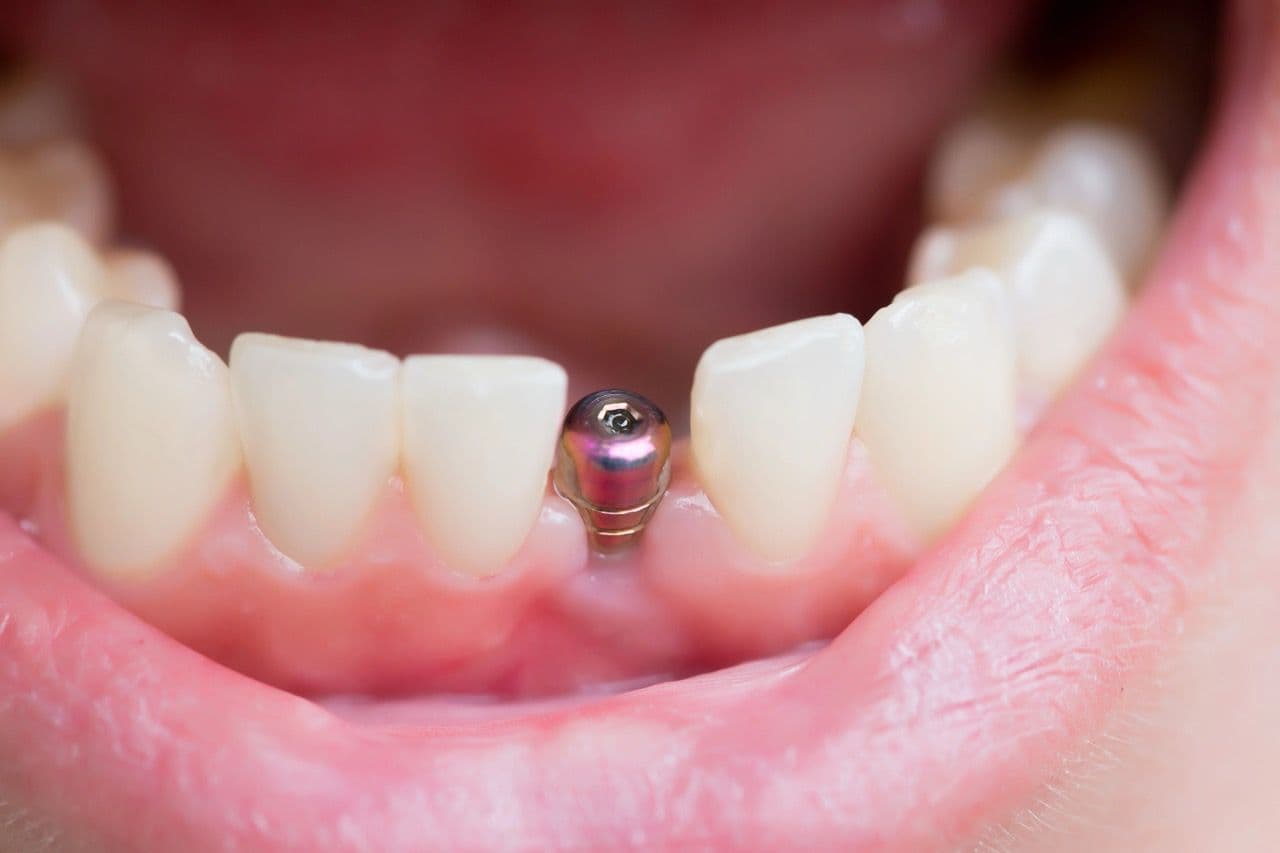
In addition to permanent abutments there are also healing caps, healing abutments, and temporary abutments. These are similar but distinct components used during the dental implant process. Each is tailored for a specific phase of treatment, and your dentist or oral surgeon will decide which to use based on your treatment plan.
Healing Caps
Healing caps are small covers placed over the implant to protect it during the initial healing phase after implant surgery, and are typically only used for the first few weeks at most. These devices do not protrude much above the gum line.
Healing Abutments
Healing abutments, sometimes called "healing collars," are used during the healing phase after implant placement to promote proper gum tissue growth around the implant, for a few weeks or months. Taller than healing caps, they guide the soft tissue to shape a natural-looking gum line.
Temporary Abutments
Temporary abutments are designed to support a provisional (temporary) crown or bridge during the healing phase, usually for a few weeks to a few months. They are typically more robust than healing abutments, with features that allow attachment to a provisional prosthesis.
Permanent Abutments
Permanent abutments come custom made or prefabricated, in different materials, and shapes. Titanium and zirconia are the most common materials used for abutments, and each have pros and cons.
A custom implant abutment may be necessary if a prefabricated abutment doesn’t fit properly. The correct fit is important to ensure a firm connection between the implant and the crown.
Dental Implant Abutment Procedure & Placement
Depending on your treatment plan, your dentist may place the abutment directly after the implant surgery or during a second procedure. The step-by-step procedure of placing an abutment after the implant surgery typically goes as follows:
- Implant exposure – Following a local anesthesia to numb the area, the dentist will make an incision to expose the implant. This step doesn’t apply if the implant and abutment are placed simultaneously.
- Temporary abutment placement - A temporary abutment helps form the surrounding tissue into the correct shape as the implant area heals.
- Permanent abutment placement – After placing the permanent abutment, your gums need to heal again before the prosthetic crown can attach.
- Healing – Healing your gums after abutments can take 4 to 6 weeks while it takes 3 to 6 months for the implant to fully fuse with the jawbone.
Post-operative care is essential to ensure a speedy recovery. Brush and floss to maintain your oral hygiene. Your dentist may suggest a specific antimicrobial mouthwash or provide additional instructions to follow.