Healing Abutment for Your Dental Implants Image


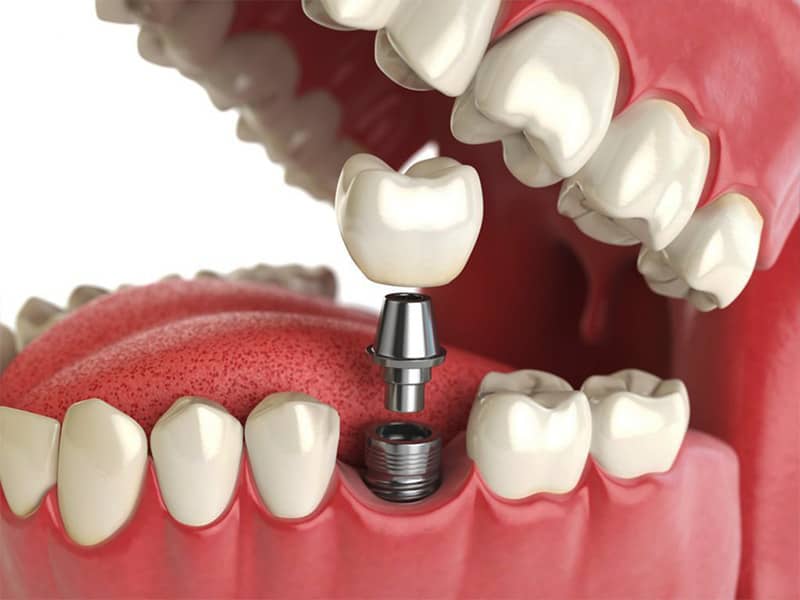
What is Dental Implant Healing Abutments?
A dental implant healing abutment, also known as a healing cap, is a small device placed on the implant after it has been inserted into the jawbone. Its primary role is to assist in the healing process and shape the gum tissue around the implant site.
The Purpose of a Healing Abutment
The healing abutment serves several essential functions:
- Protection: It protects the implant site from bacteria and food particles during the healing phase.
- Tissue Shaping: It helps in contouring the gum tissue to ensure a natural appearance once the final crown is placed.
- Access for Restoration: It provides easy access to the implant during the next stages of the restoration process.
How Healing Abutments Work
Once the dental implant is placed into the jawbone, it needs time to integrate with the bone in a process called osseointegration. This process typically takes a few months. During this period, the healing abutment plays a vital role.
The Placement Process
After the dental implant is securely positioned in the jawbone, the healing abutment is screwed onto the top of the implant. This is usually done during the same surgical procedure or a subsequent one, depending on the treatment plan.
Healing Phase
With the healing abutment in place, the gum tissue begins to heal and form around it. This creates a contour that mimics the natural gum line, which is crucial for the final aesthetics of the dental restoration. The healing period can vary from a few weeks to a few months, depending on the individual’s healing capacity and the specific case.
Fitting and Adjustment
Initial Fitting
The initial fitting of the healing abutment is a straightforward procedure. It is typically done under local anesthesia to ensure patient comfort. The dentist ensures that the abutment fits snugly onto the implant without causing excessive pressure on the surrounding tissue.
Adjustments
During the healing period, the dentist may need to make adjustments to the healing abutment. This could involve checking the fit, ensuring there is no undue pressure on the gum tissue, and making sure the abutment remains free from debris and plaque. Regular follow-up visits are essential to monitor the healing process and address any issues promptly.
Re-use and Replacement
Re-use
In some cases, healing abutments can be reused. If the abutment is still in good condition after the initial healing phase, and there are no signs of damage or excessive wear, it can be sterilized and reused. However, this decision is at the dentist’s discretion, based on the specific circumstances and the condition of the healing abutment.
Replacement
There are instances where the healing abutment may need to be replaced. This could be due to wear and tear, contamination, or if it no longer fits properly due to changes in the gum tissue. Ensuring the abutment is in optimal condition is crucial for the overall success of the dental implant procedure.
Importance of Proper Care
Proper care and maintenance of the healing abutment are vital for the success of the dental implant. Patients are usually advised to follow specific oral hygiene practices during the healing phase. This includes gentle brushing around the implant site, using an antiseptic mouthwash, and avoiding hard or sticky foods that could disrupt the healing abutment.
Regular Dental Visits
Regular dental check-ups are essential during the healing period. The dentist will monitor the healing process, check the condition of the healing abutment, and make any necessary adjustments. These visits ensure that the implant site remains healthy and free from infection, paving the way for a successful final restoration.
Transition to the Final Abutment
Once the gum tissue has healed adequately, and the implant has integrated with the jawbone, the healing abutment is replaced with the final abutment. The final abutment is what will support the dental crown, bridge, or denture.
Final Steps
The final abutment is typically more robust and designed to provide a secure foundation for the prosthetic tooth. It is attached to the implant, and an impression is taken to fabricate the final restoration. Once the final restoration is ready, it is securely attached to the abutment, completing the dental implant process.
In Summary
Understanding the role and importance of the dental implant healing abutment is crucial for anyone considering dental implants. This small yet significant component helps ensure that the gum tissue heals properly, providing a strong foundation for the final restoration. Proper care, regular dental visits, and following the dentist’s instructions can greatly enhance the success of your dental implant treatment.
Those looking into dental implants should feel reassured that modern dental practices and advancements in implant technology are geared towards achieving the best possible outcomes. With a clear understanding of the healing abutment and its role, patients can approach their treatment with confidence and anticipation for a healthier, more beautiful smile.