What Is a Tooth Extraction? Procedure, Risks, and Recovery

Why Would a Dentist Recommend a Tooth Extraction?
Your dentist may suggest tooth removal when keeping the tooth could lead to ongoing infection, pain, or damage to surrounding teeth and gums. The most common reasons include:
-
Severe tooth decay that can’t be restored with a filling or crown
-
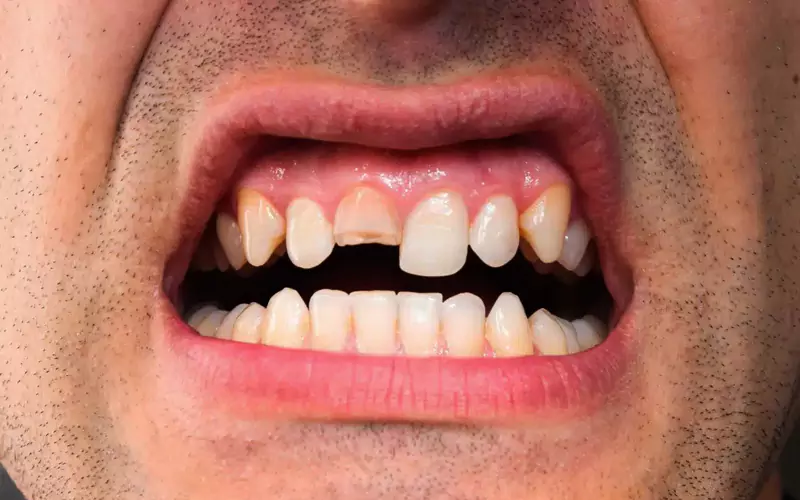
A fractured or broken tooth beyond repair
-
Advanced gum disease affecting tooth stability
-
Impacted teeth (often wisdom teeth)
-
Crowded teeth (sometimes for orthodontic treatment)
-
Dental trauma from an accident or injury
Who Performs Tooth Extractions?
Many extractions are done by general dentists. More complex cases—such as impacted teeth or surgical extractions—may be handled by specialists like oral and maxillofacial surgeons or periodontists.
How to Prepare for a Tooth Extraction
Before the procedure, tell your dentist about any medications, vitamins, or supplements you take. In some cases, your dentist may ask you to adjust or pause certain medications.
Sedation options may also be available, especially if you have dental anxiety or want a more comfortable experience.
What Happens During a Tooth Extraction?
Most tooth extraction procedures follow these steps:
-
Numbing the area: Local anesthesia is used to numb the tooth and surrounding gum tissue.
-
Loosening the tooth: The dentist uses specialized instruments to gently loosen the tooth.
-
Removing the tooth: The tooth is carefully removed from the socket. If the tooth is badly decayed or broken, small gum incisions may be needed. Sometimes, the tooth is divided into sections for easier removal.
-
Cleaning the socket: The extraction site is cleaned and disinfected.
-
Bone graft (sometimes): In certain cases, a bone graft is placed to help prevent jawbone loss.
-
Stitches (if needed): Your dentist may place stitches depending on the extraction type.
A single tooth extraction usually takes 30 to 60 minutes, and longer if multiple teeth are removed.
Benefits of Tooth Removal
Tooth extraction can help protect your long-term oral health by:
-
Removing harmful bacteria that can spread infection
-
Preventing damage to nearby teeth and gum tissue
-
Relieving severe tooth pain (especially in broken or infected teeth)
Risks and Complications of Tooth Extractions
Tooth extraction is a common procedure, but like any surgery, it carries some risks, including:
-
Dry socket (loss of the blood clot)
-
Infection
-
Delayed healing
-
Sinus complications (for upper back teeth)
-
Nerve injury (rare)
Normal Side Effects After Tooth Extraction
Most side effects are temporary and improve within about a week:
-
Bleeding: Minor oozing during the first day is normal. Bite gently on gauze for 15 minutes and repeat if needed.
-
Bruising: Can appear on gums or outer jaw and fade within days.
-
Pain/discomfort: Pain often peaks around day 3. Rest and follow pain-control instructions.
-
Swelling: Use an ice pack (20 minutes on, 20 minutes off) to reduce swelling.
Tooth Extraction Recovery Timeline
Recovery varies based on the tooth’s condition and complexity of the extraction, but generally:
-
48–72 hours: Most people return to routine activities.
-
1–2 days: Many can return to work or school.
-
Several weeks: Jawbone continues healing.
-
Up to a few months: If you’re planning a dental implant, your dentist may recommend waiting while the socket heals.
How Does the Extraction Site Heal?
Healing happens from the bottom of the socket upward:
-
Bleeding begins immediately after extraction
-
A blood clot forms to protect bone and nerves
-
New tissue begins filling the socket
-
Gum tissue closes and becomes smooth and healthy over time
Tooth Extraction Aftercare: What to Do and Avoid
What to do
-
Eat soft foods (yogurt, eggs, pasta, rice, applesauce)
-
Keep the area clean with gentle rinsing (as directed)
-
Take medications exactly as prescribed
-
Brush and floss other teeth normally (avoid brushing directly over the site at first)
What to avoid
-
Heavy lifting or intense exercise for 48–72 hours
-
Touching the socket with your tongue or fingers
-
Smoking or vaping (reduces blood flow and delays healing)
-
Vigorous spitting or rinsing
-
Using straws (can dislodge the blood clot and cause dry socket)
When to Call Your Dentist After an Extraction
Contact your dentist if you have:
-
Fever (38°C / 100.4°F or higher)
-
Pus or drainage from the site
-
Severe pain that doesn’t improve with medication
-
Unusual swelling that worsens after a few days
Replacing a Missing Tooth After Extraction
If your tooth is removed, ask your dentist about replacement options such as:
-
Dental implants
-
Dental bridges
-
Partial dentures
Replacing the tooth can restore chewing function, appearance, and overall oral health.